
In the light of all this, we can see that China’s rise presents both opportunities and challenges to the Christian church.
Read More
Global China Center provides in-depth analysis and provocative commentary on issues relating to Chinese history & culture, Chinese society & politics, and Christianity in China.
In the light of all this, we can see that China’s rise presents both opportunities and challenges to the Christian church.
Read MoreIn this article we shall ponder the rise of China in the context of history, in order to reflect upon our possible responses and roles in this tectonic geo-political shift. Moving quickly over continents and centuries, I shall make five observations about rising China, and conclude with some suggestions for both Western and Chinese Christians.
Read MoreThat Protestantism has become a Chinese religion is demonstrated by its history; indigenous leadership; contextualized literature; rapid growth; geographical distribution; numerical strength; social impact; self-propagation; and official status. I shall expand on this statement briefly before talking about just how culturally “Chinese” this relatively new faith in China is.
Read MoreReturn to Dragon Mountain, the most recent book from the great historian Jonathan Spence, pieces together the dreams and recollections of a man at the center of one of China’s most epic periods. The life of Zhang Dai (1597 – app. 1680)– aesthete, connoisseur, and historian – spanned the waning years of the Ming Dynasty and rise of the Qing, with the cataclysmic year of dynastic change coming nearly at the center of Zhang’s life in 1644. Zhang’s life is an appropriate final subject for a true master historian and a picturesque display of the paradoxes of a man who, in so many ways, was a reflection of the paradoxical time in which he lived.
Read MoreA colloquium on Chinese biblical studies sponsored by the Center for the Study of Christianity in China, King’s College, London, was held January 17th-21st. This symposium showcased some of the fine scholarship being done by Chinese around the world. One of the largest such gatherings in recent decades, it both marked the progress of biblical studies by Chinese and advanced the conversation in a number of key areas
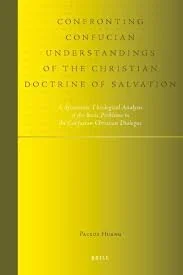
Read MoreConfronting Confucian Understandings of the Christian Doctrine of Salvation will now be required reading for anyone seeking to understand why Chinese intellectuals have accepted, rejected, or modified the Christian message since the time of Matteo Ricci. Paulos Huang has given us a fine, clearly-organized study with a great deal of thought-provoking findings and suggestions.
Read MoreThough certain to stir up controversy, this book contains a message which should be pondered by Western, especially American, Christians with a burden for China. Falkenstine seeks to “clarify perceptions of China and her church,” so that Western Christians may understand the current situation and serve more effectively.
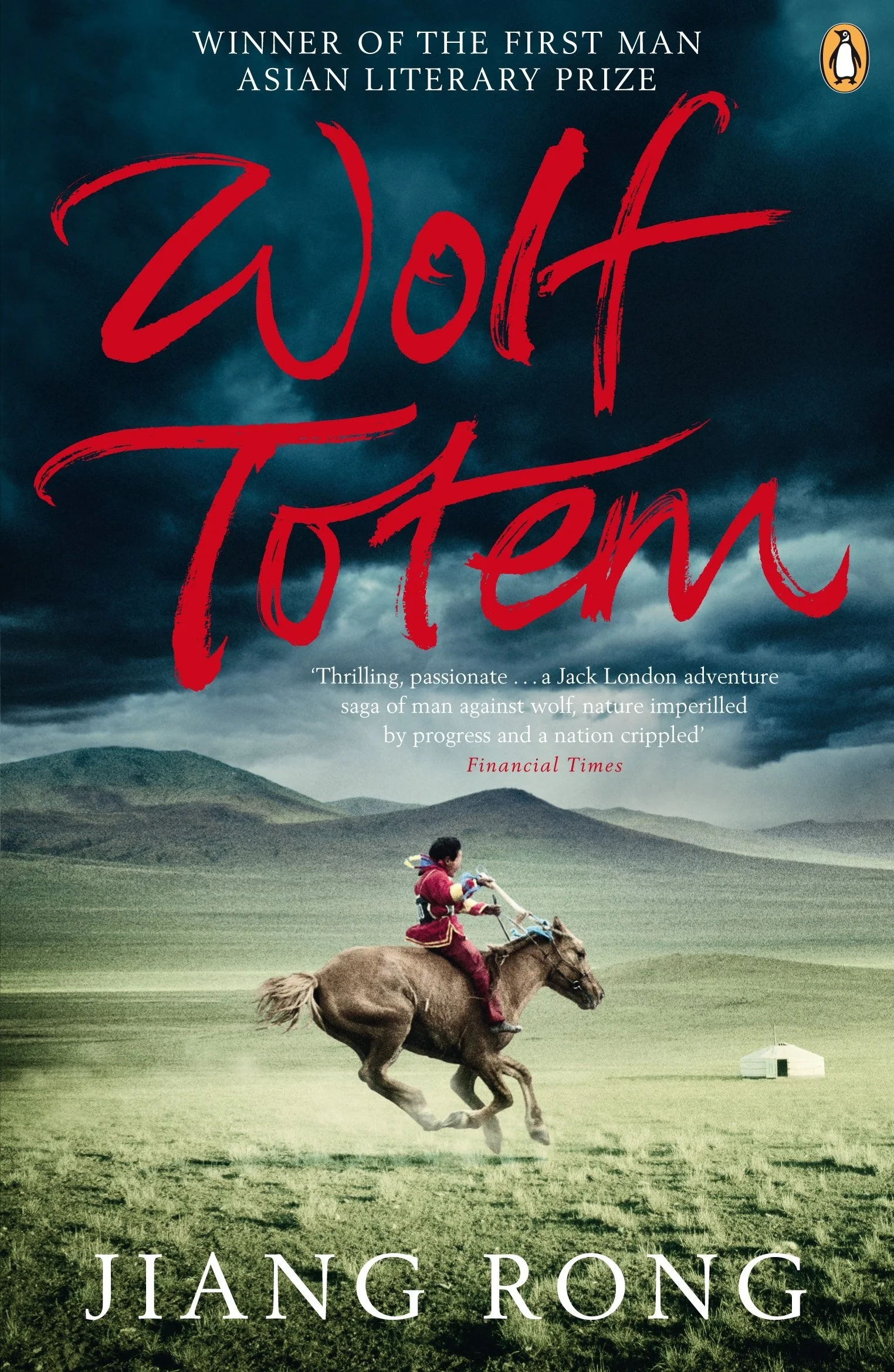
Read MoreSet on the grasslands of Inner Mongolia at the height of the Cultural Revolution, Jiang Rong’s (the pen name of Beijing Sociology professor Lu Jiamin) story paints a vivid picture of the grasslands and the fragile balance between humans and their surroundings. Written more in a style of classical Chinese novels, Wolf Totem is a collection of stories and experiences lived by the character Chen Zhen which forms the background for a didactic description of man’s effects on his environment.
Read MoreThrough a century of political turmoil and disillusionment, waves of Chinese intellectuals have come to Christ.
Read MoreSince the Bible serves as the main source of Christian doctrine, the nature of its reception, interpretation and influence must be understood in order for us to comprehend the varying streams of Chinese Christian faith and practice and the different responses to Christianity among non-Christians.
Read MoreThe answer to this question would seem to be obvious, at least to some. On the other hand, a growing number of scholars and other observers are pointing to the rapid growth of Christianity in China and amassing impressive reasons for regarding Christianity – in one form or another – as an authentically indigenous, Chinese faith.
Read MoreThe number of religious believers in China continues to grow almost exponentially.
Read More